
The Creative Journey of Metal Sculpture Design
- adam stempka
- Nov 30, 2025
- 4 min read

Metal sculpture design is a fascinating blend of art, craftsmanship, and engineering. It transforms cold, hard metal into expressive, dynamic forms that captivate and inspire. I have spent years exploring this creative journey, honing my skills and deepening my understanding of the materials and techniques involved. Today, I want to share insights into the metal sculpture design steps that bring these unique pieces to life.
Understanding Metal Sculpture Design Steps
The journey begins with a clear vision. Every sculpture starts as an idea, a spark of creativity that demands expression. This initial phase involves sketching concepts and exploring forms. I often use simple pencil drawings or digital tools to visualize the sculpture’s shape and scale. This step is crucial because it sets the foundation for everything that follows.
Next, I select the right type of metal. Steel, bronze, aluminum, and copper each have distinct properties and aesthetics. The choice depends on the sculpture’s intended look, durability, and location. For example, steel offers strength and a modern feel, while bronze provides a classic, warm patina.
Once the metal is chosen, I create detailed plans and measurements. This includes deciding on dimensions, weight, and structural support. Precision here ensures the sculpture will be stable and safe, especially for large outdoor installations.
Finally, I prepare the workspace and tools. Welding equipment, grinders, and cutting torches are essential. Safety gear is a must. This preparation phase sets the stage for the hands-on work that follows.

Exploring the Metal Sculpture Design Process
The metal sculpture design process is a carefully orchestrated sequence of steps that transform raw materials into art. After planning, I move to cutting and shaping the metal pieces. This involves using plasma cutters, saws, and hammers to achieve the desired forms.
Welding is the heart of the process. It joins metal parts securely, allowing for complex, three-dimensional structures. I use different welding techniques depending on the metal type and sculpture size. TIG welding offers precision for delicate parts, while MIG welding is faster for larger sections.
Once assembled, the sculpture undergoes grinding and polishing. This smooths rough edges and refines the surface. Sometimes, I add textures or patterns to enhance visual interest. Patinas and coatings are applied last to protect the metal and add color or finish effects.
Throughout this process, I constantly evaluate the piece from multiple angles. This ensures balance, proportion, and harmony. Adjustments are made as needed to perfect the design.
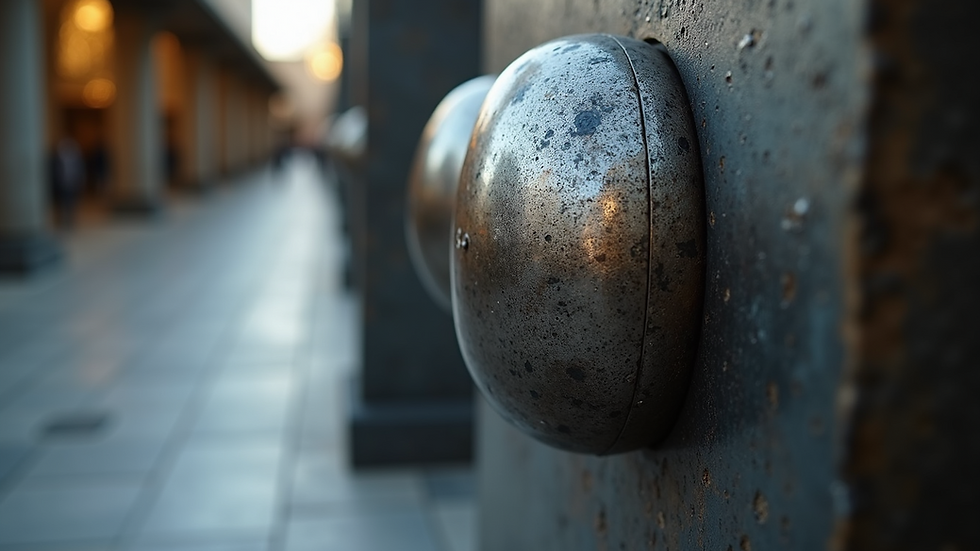
What is the Process of Metal Sculpture?
The process of metal sculpture is both technical and artistic. It starts with concept development, where ideas are brainstormed and refined. I often collaborate with clients to understand their vision and incorporate their preferences.
Next comes material selection. Each metal offers unique challenges and opportunities. For example, aluminum is lightweight and corrosion-resistant, ideal for outdoor sculptures. Steel is robust and versatile but requires protective coatings to prevent rust.
The fabrication phase involves cutting, bending, and welding. Precision tools and steady hands are essential here. I use jigs and fixtures to hold pieces in place during welding, ensuring accuracy.
After assembly, the sculpture is finished. This includes grinding, sanding, and applying surface treatments. Protective coatings like clear lacquer or powder coating extend the sculpture’s lifespan.
Finally, the sculpture is installed. This step requires careful planning to ensure stability and safety. I often work with engineers or installers to secure the piece in its intended location.

Practical Tips for Creating Custom Metal Sculptures
Creating custom metal sculptures requires more than skill - it demands planning and communication. Here are some practical tips I follow:
Start with a clear concept: Define the sculpture’s purpose, style, and size early on.
Choose the right metal: Consider the environment and desired finish.
Plan for structural integrity: Large sculptures need internal supports.
Use quality tools and safety gear: Protect yourself and ensure precision.
Test welds and joints: Strong connections prevent future damage.
Experiment with finishes: Patinas, paints, and coatings add character.
Collaborate with clients: Regular updates and feedback improve results.
Document the process: Photos and notes help with future projects.
These steps help me deliver sculptures that are not only beautiful but also durable and meaningful.
Bringing Visions to Life with Metal Art
The creative journey of metal sculpture design is rewarding. It combines tradition and innovation, craftsmanship and creativity. Each piece tells a story, reflecting the artist’s vision and the client’s desires.
At Stempka Designs, I build on a welding heritage to craft custom sculptures that stand out. Whether for a business lobby, hotel garden, or private collection, these artworks transform spaces and spark conversations.
If you are looking for unique metal artwork that captures your vision, exploring the metal sculpture design process with a skilled artist can make all the difference. The journey from concept to completion is an exciting adventure in creativity and craftsmanship.
I invite you to discover the possibilities and experience the power of metal sculpture art.
Thank you for joining me on this exploration of metal sculpture design steps. I look forward to sharing more insights and inspiring your creative projects.


Comments